Saltwater: A Natural History of the Sea

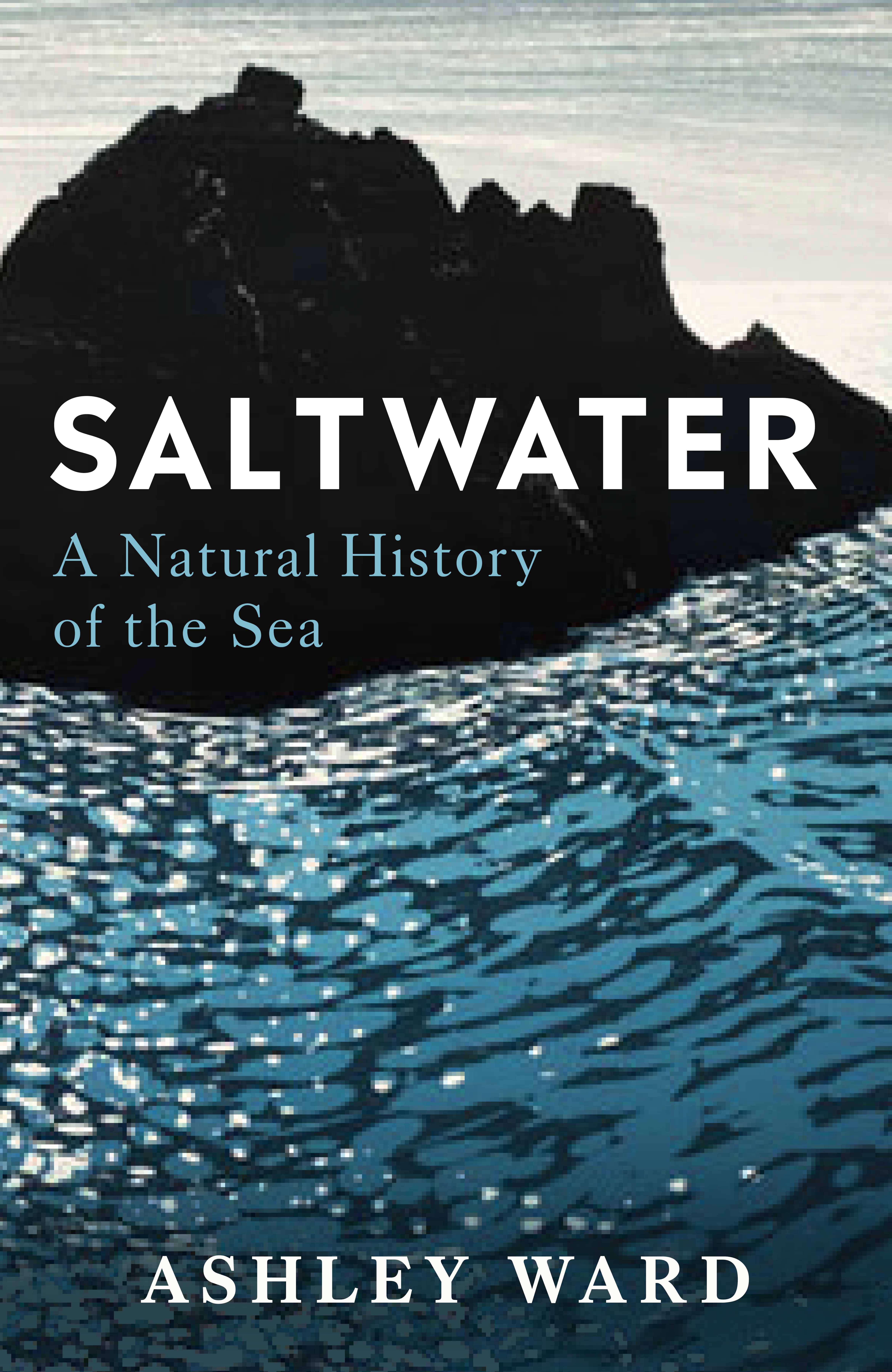
My latest book, Saltwater: A Natural History of the Sea, is to be released on November 12, 2026. It’s the culmination of three years of writing and a lifetime of love for the marine environment. Here you’ll find photos, further thoughts, and a chapter-by-chapter reference list.

Prologue

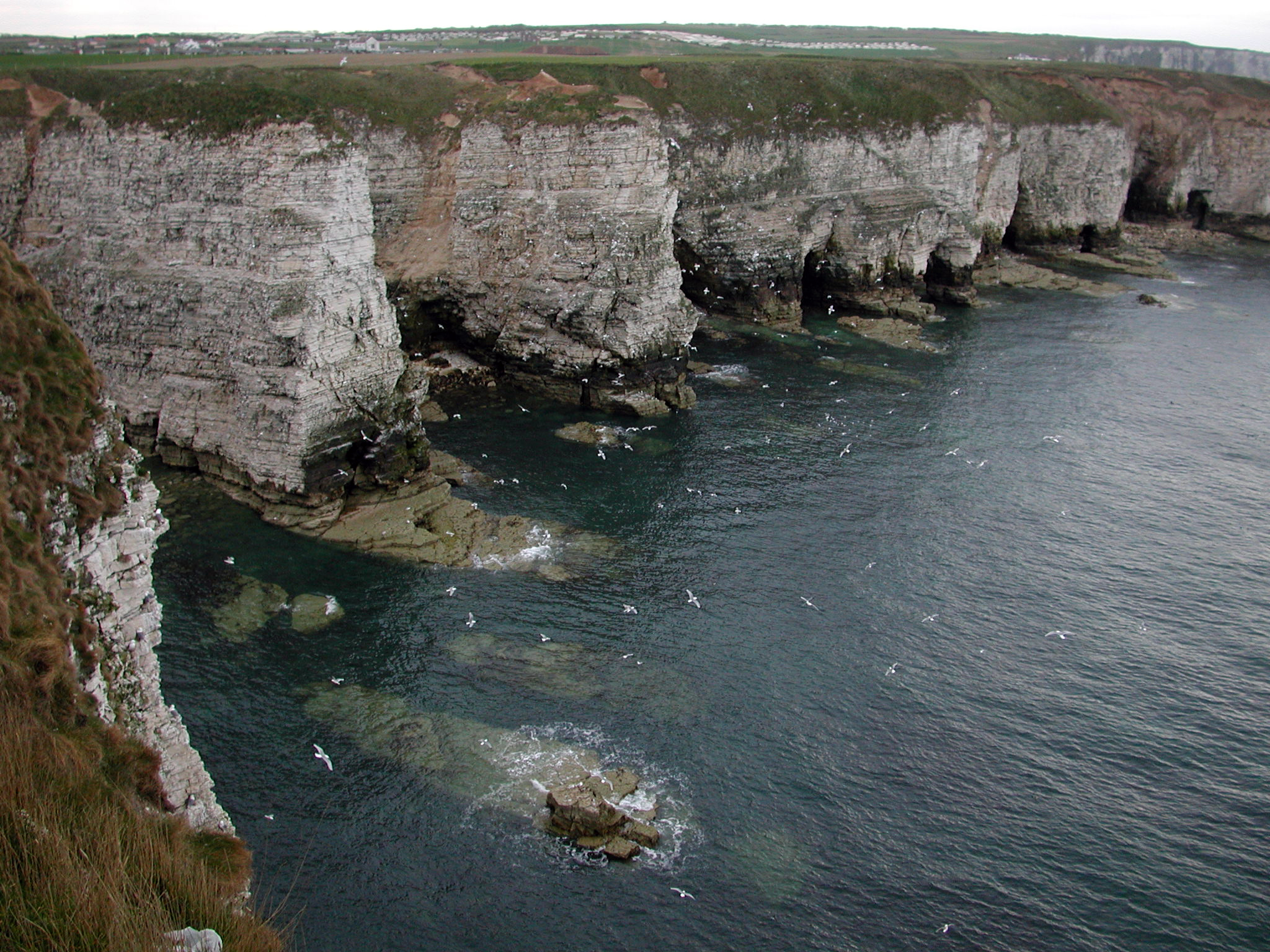
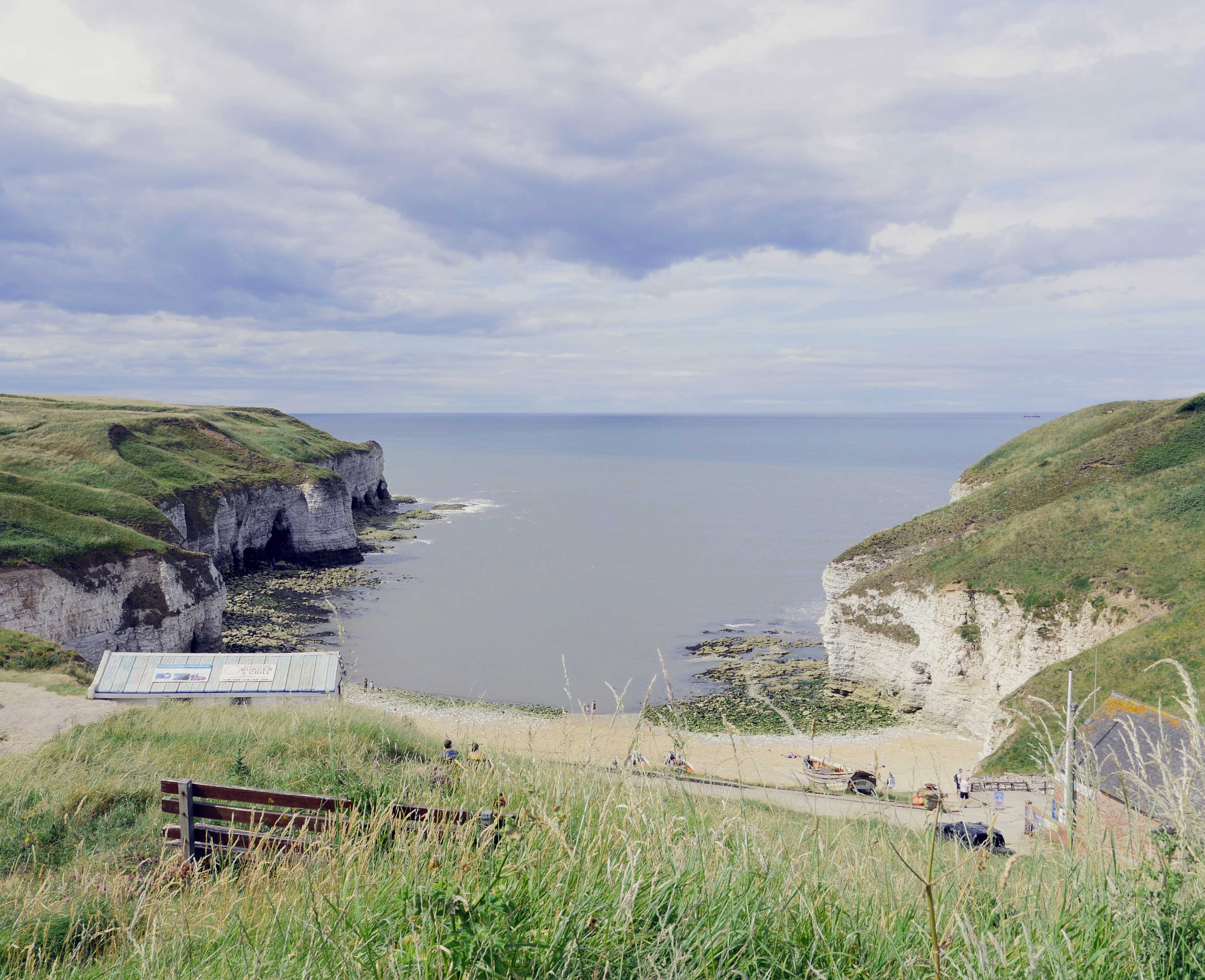
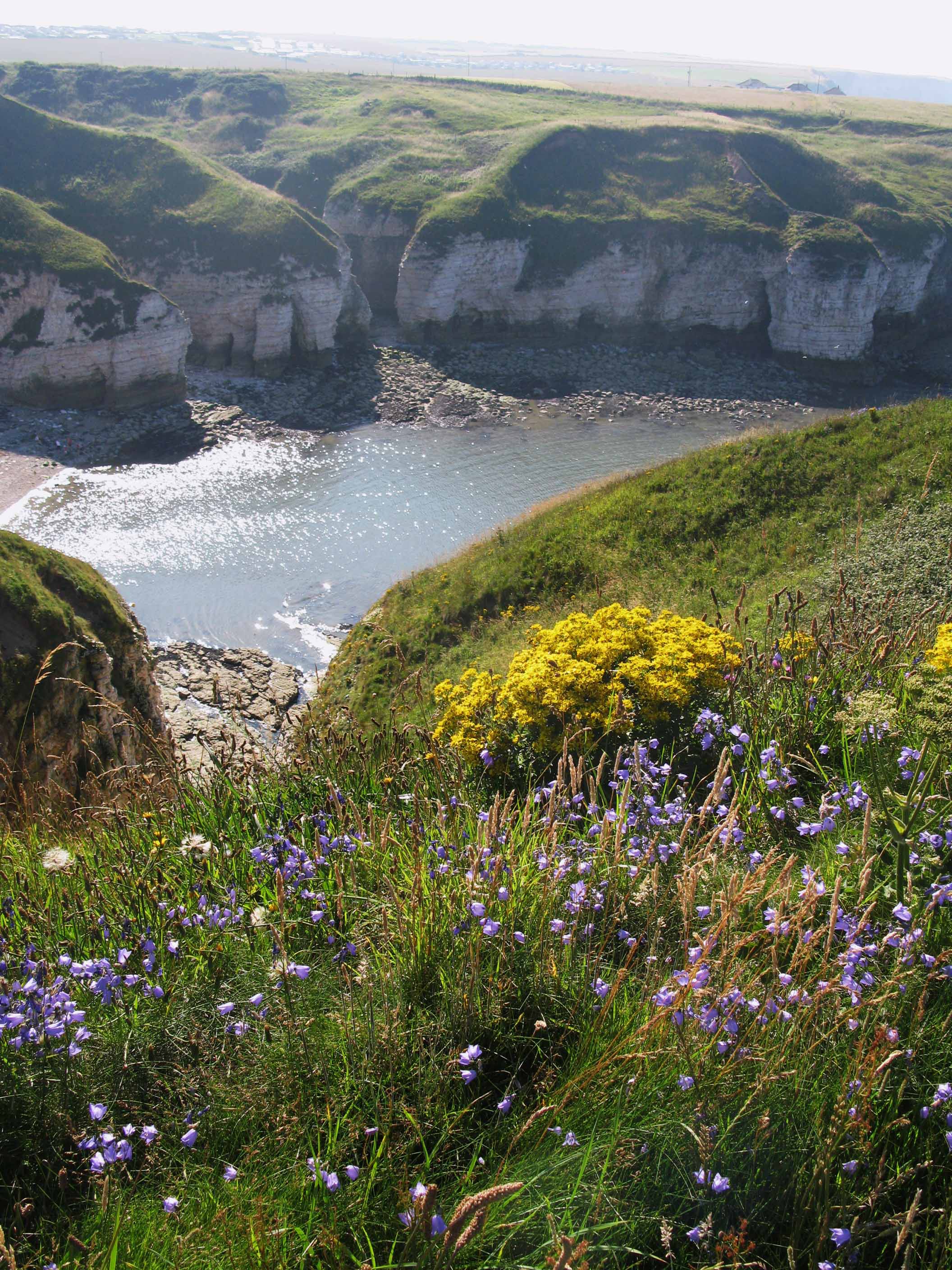
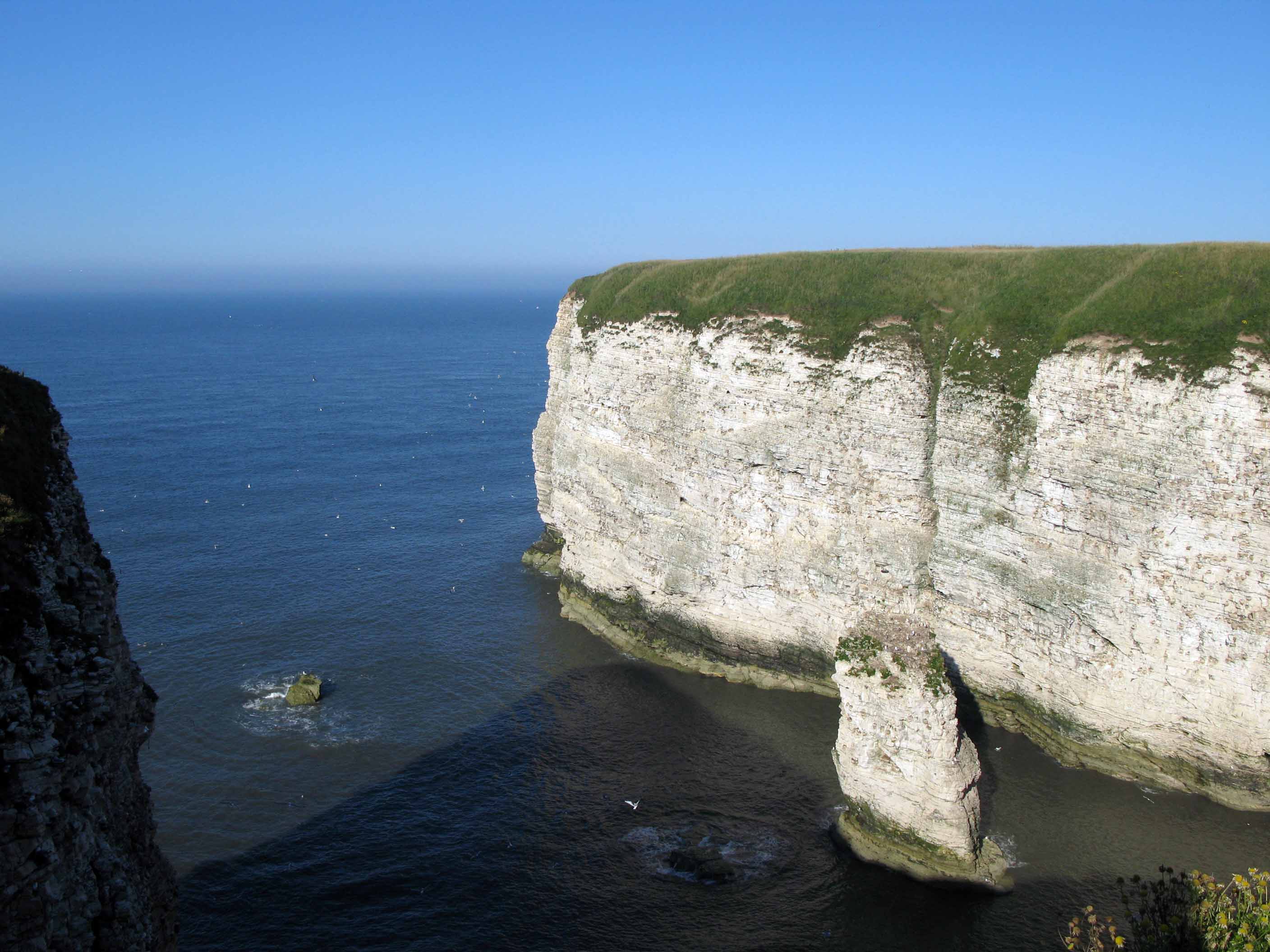
Flamborough, on the east coast of England, was where my relationship with the sea was born. Scampering around the beaches and rocks of its many coves, I was assailed by wonders of every kind imaginable to a small child.

Chapter 1: Constellations of the Deep

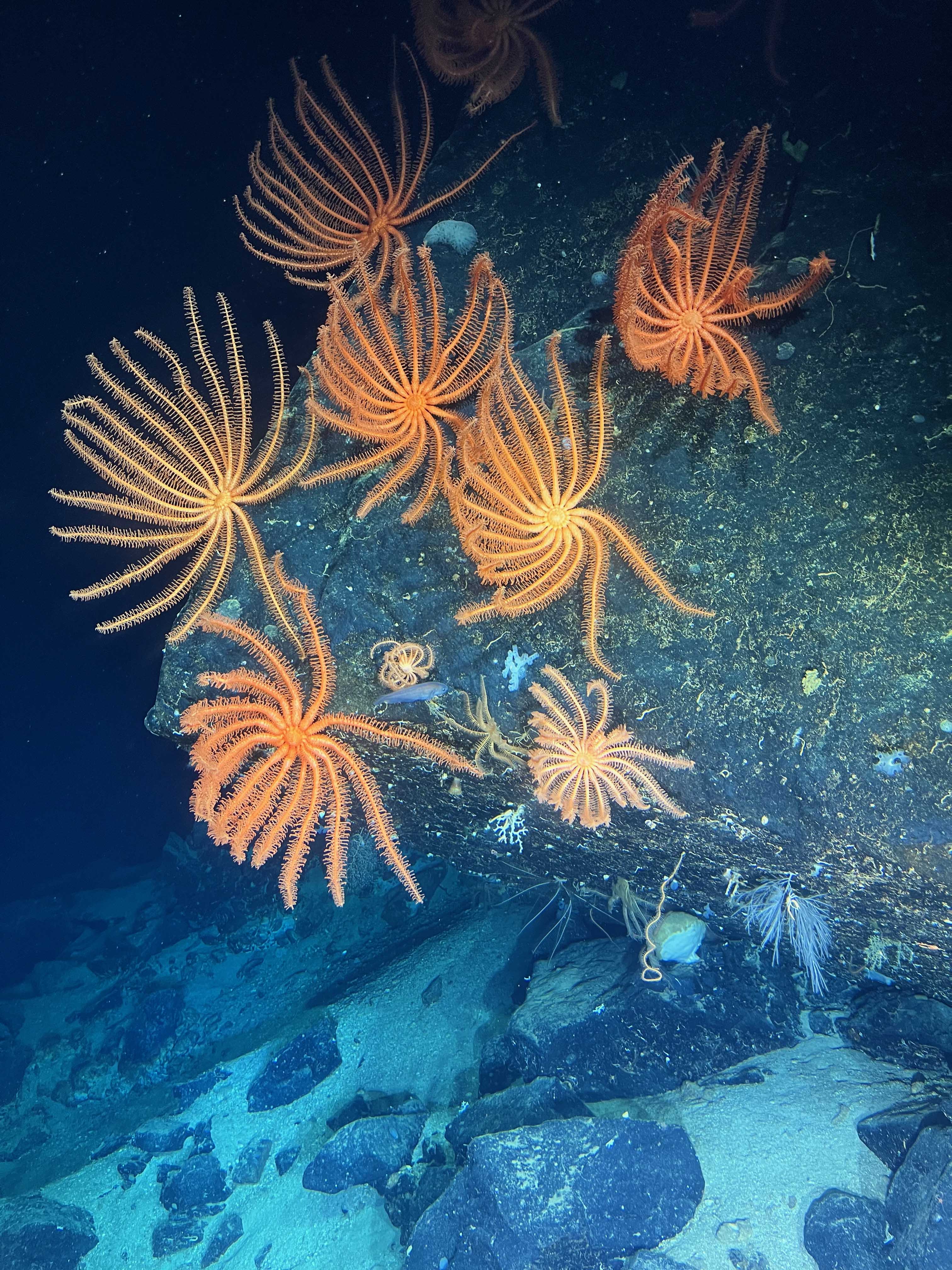
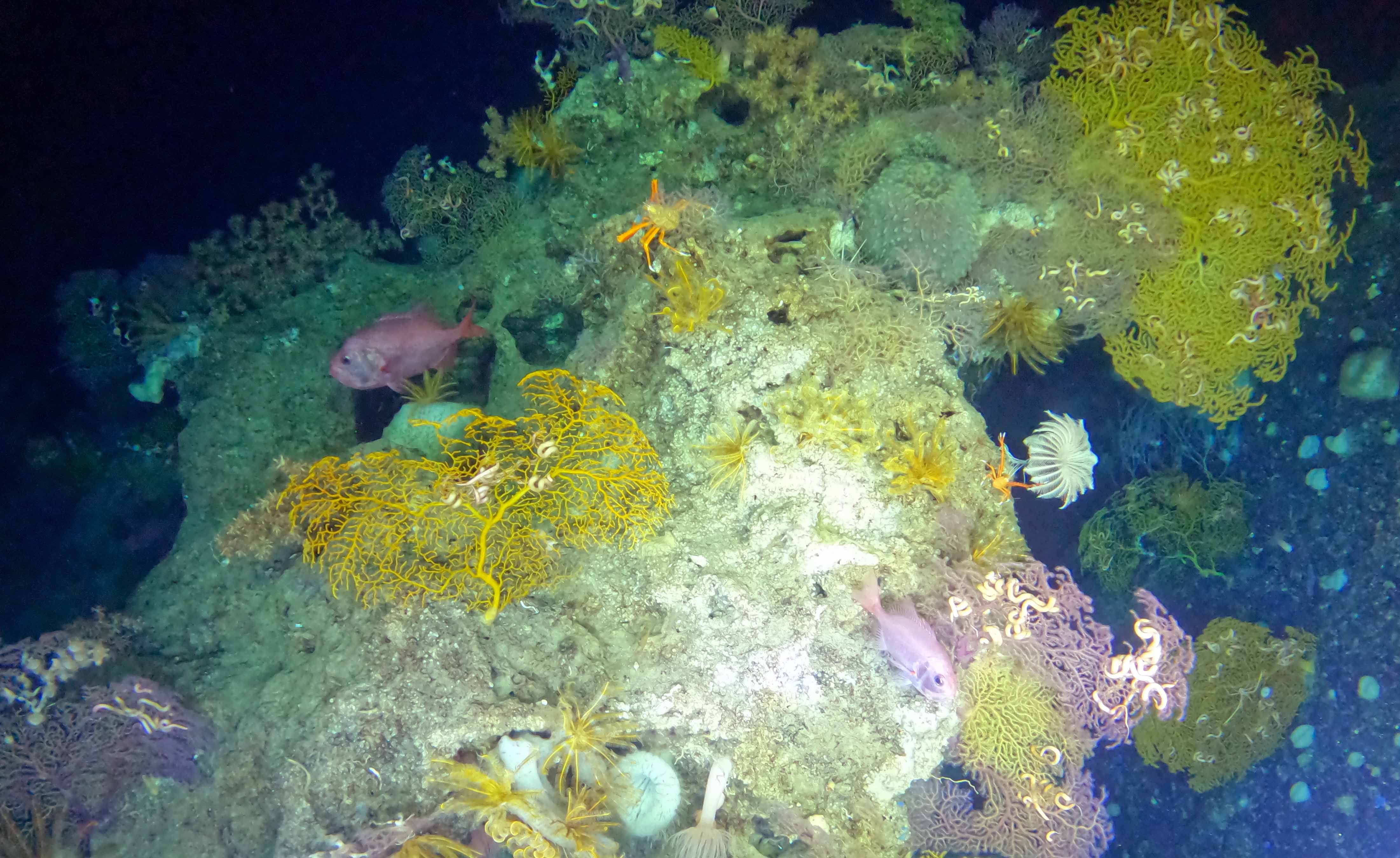
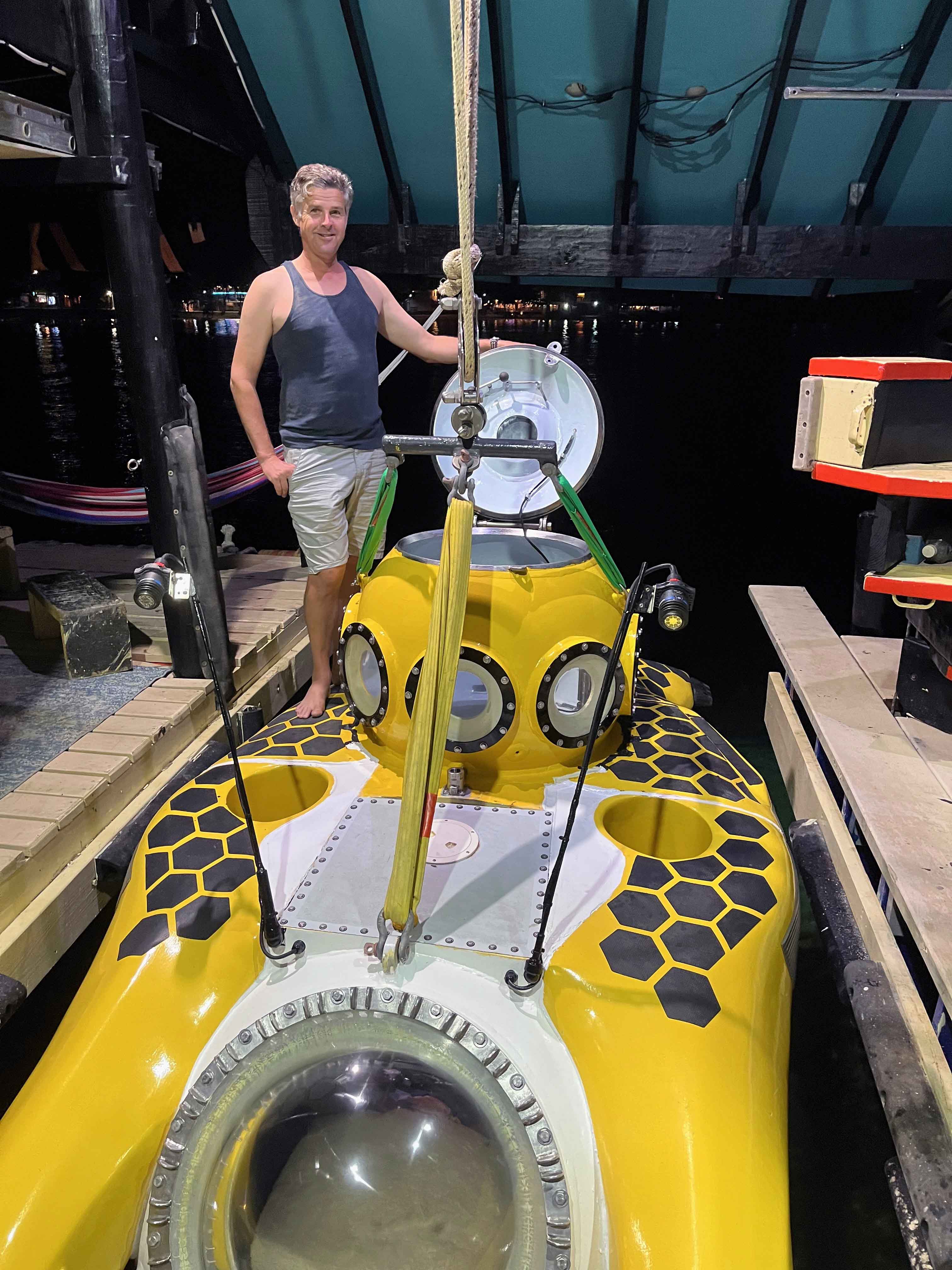
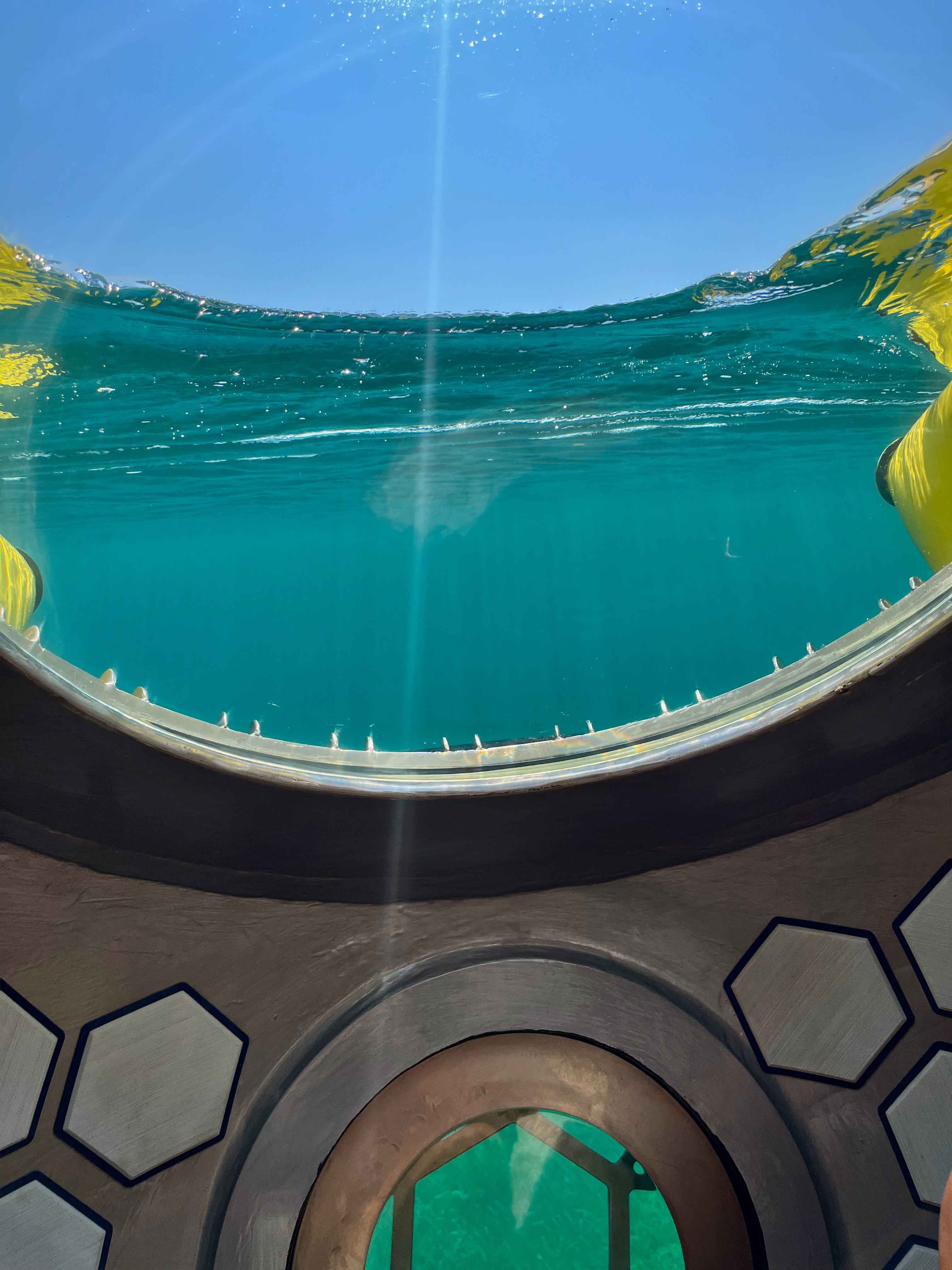
Going to the deep sea, aboard the submarine Idabel, guided by Karl Stanley, who both built the vessel and piloted it, represented the culmination of a long held dream
Chapter 2: Hinterlands

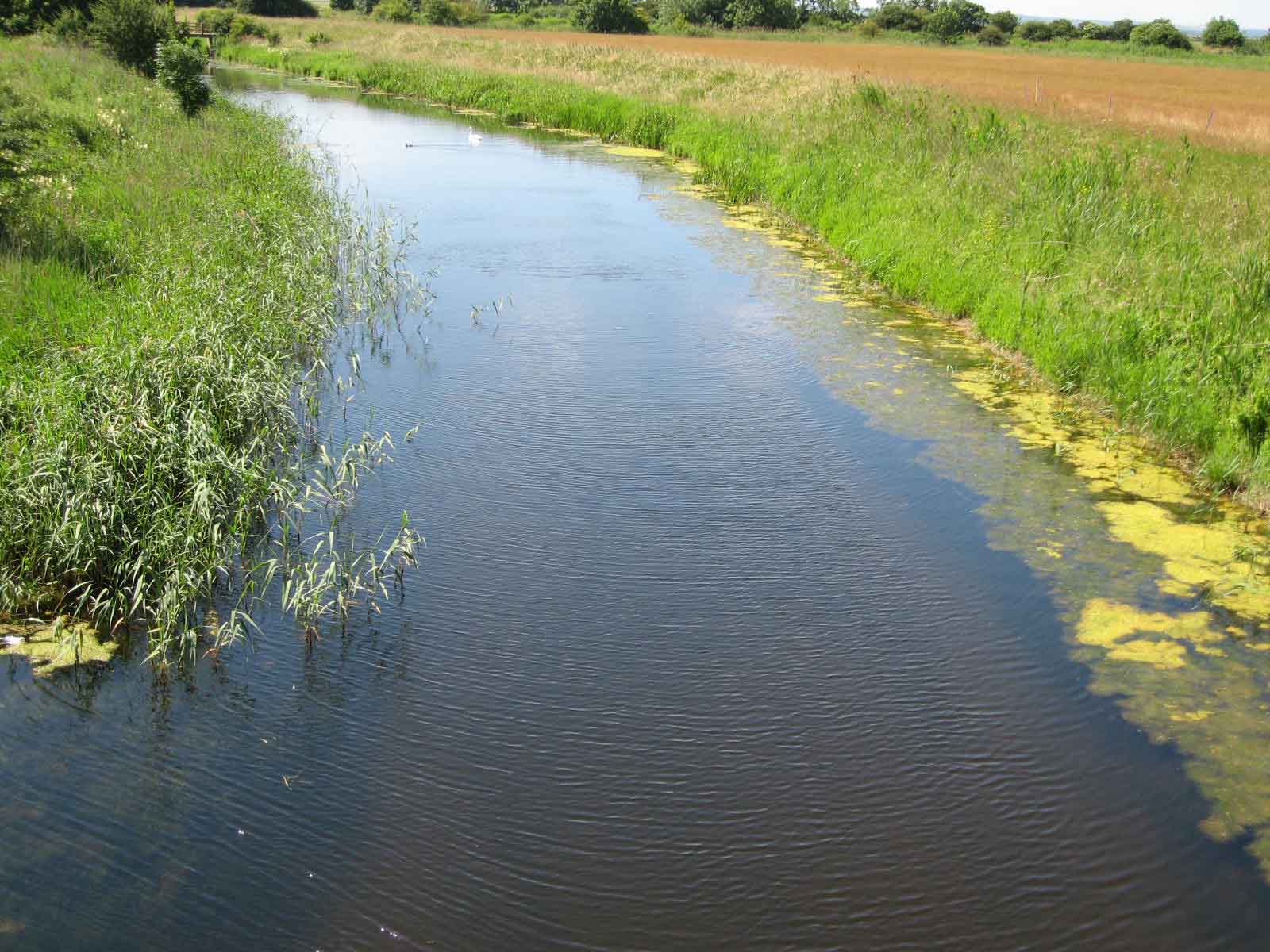
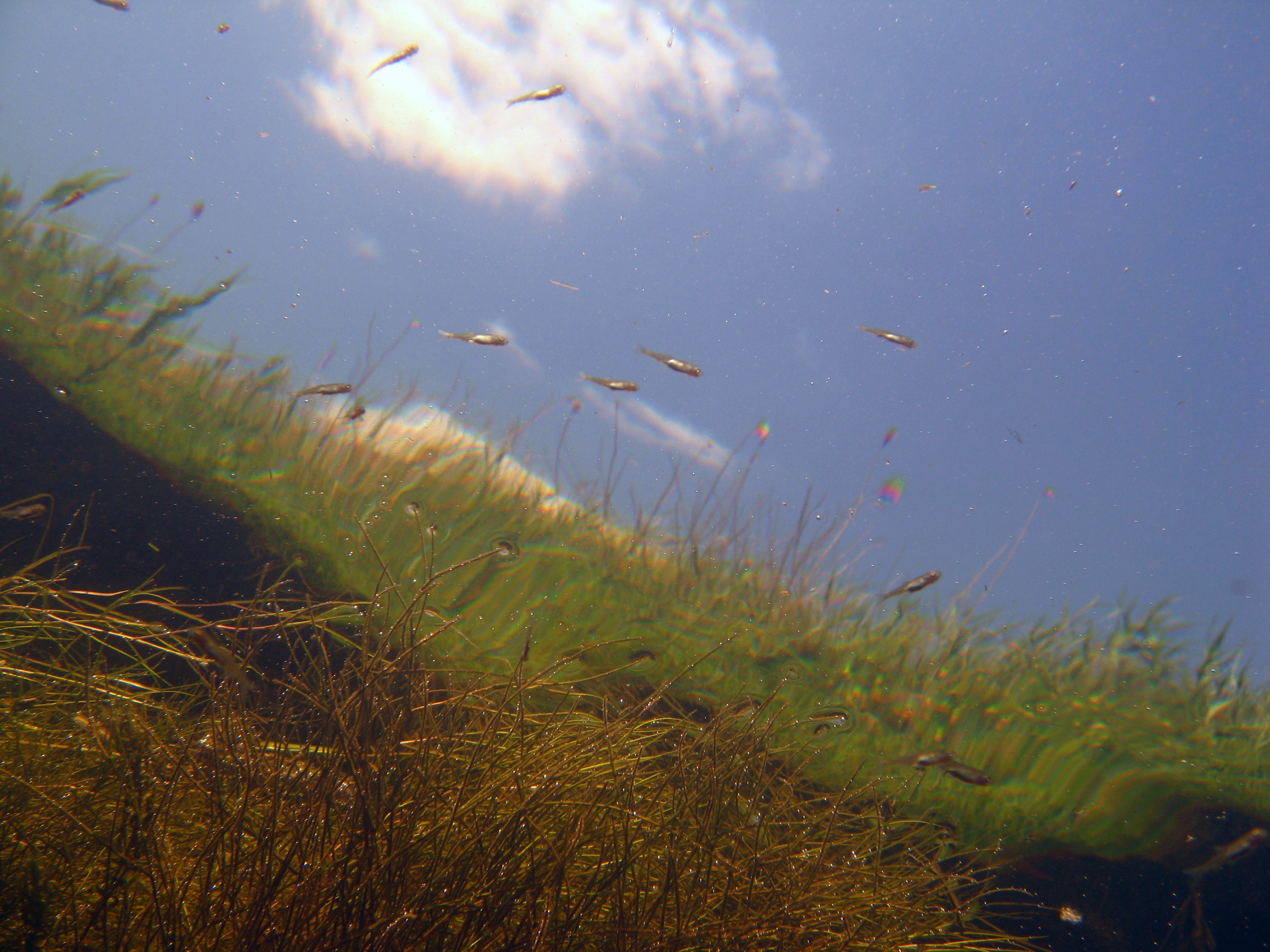
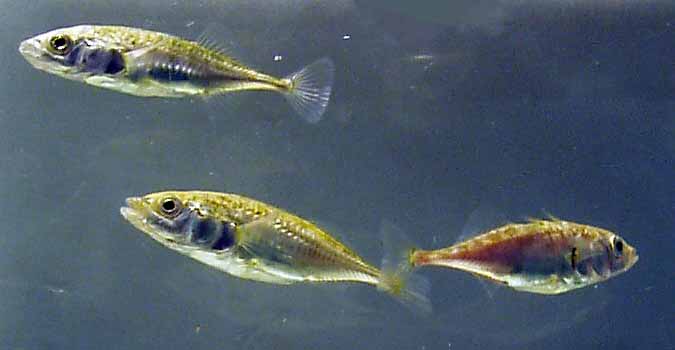
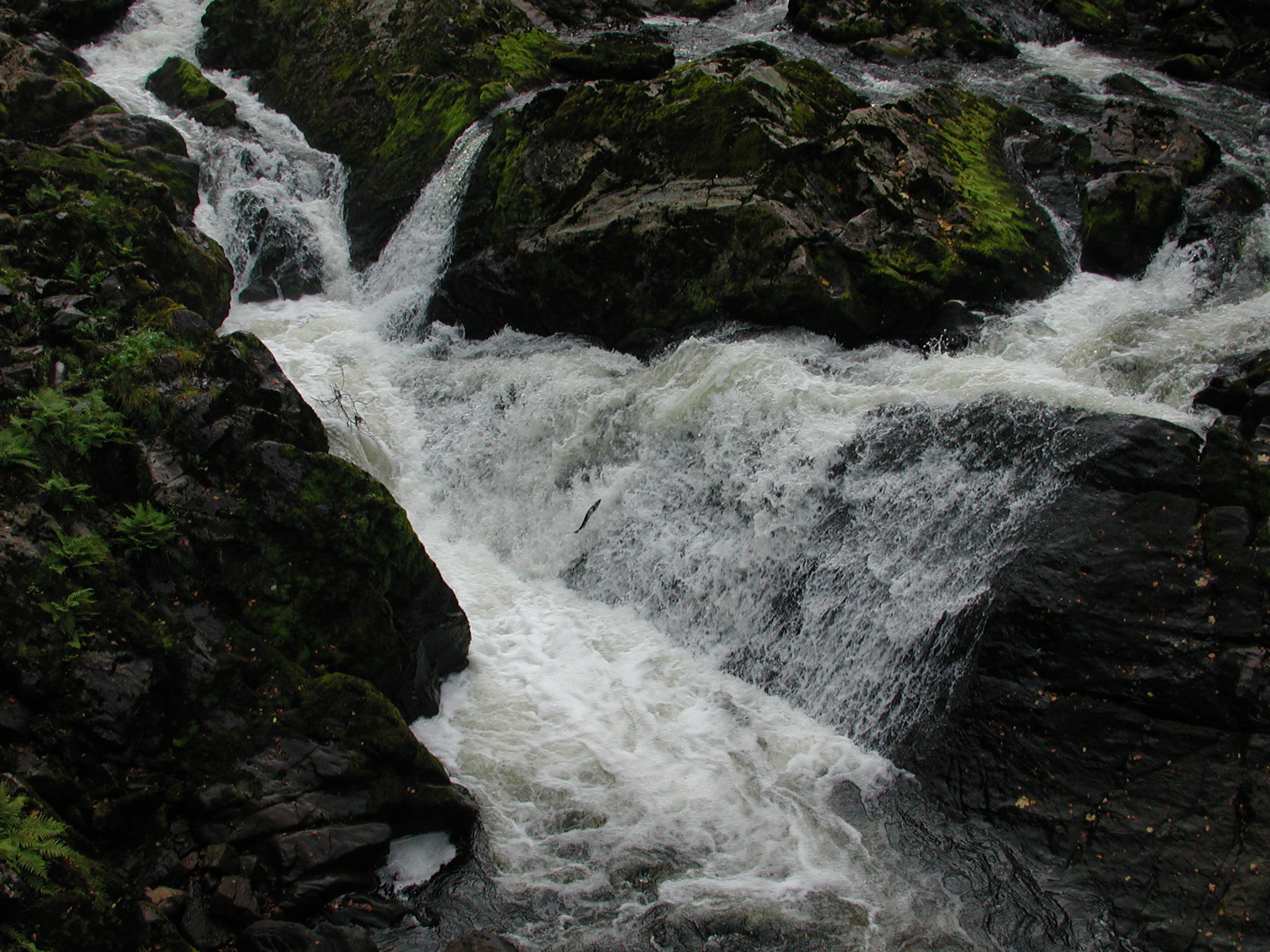
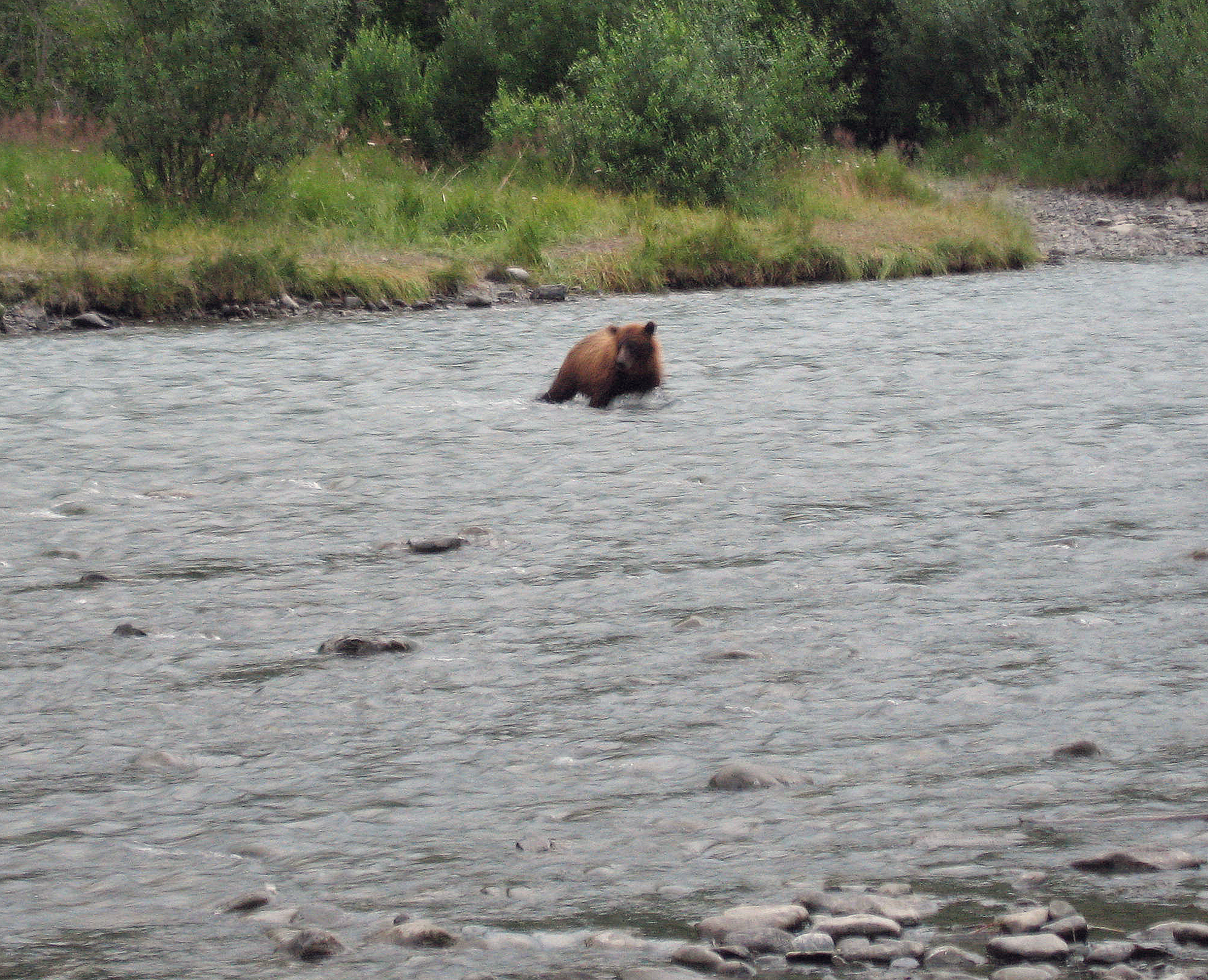
The boundary between the fresh waters of the land and the sea beyond is an evolutionary proving ground, it has long been an opportunity for life as well as a barrier.
[Links under construction]

Reference List

Most of the primary literature references included in Saltwater are presented below, organised first by chapter, and then by topic.

Prologue

Ballard, R.D. (1977). Notes on a Major Oceanographic Find. Oceanus, 20(3).

Boeuf, G. (2011). Marine biodiversity characteristics. Comptes Rendus Biologies, 334(5-6), pp.435–440. doi:https://doi.org/10.1016/j.crvi.2011.02.009.

Briggs, J.C. (1995). Chapter 13 Species diversity: land and sea. In: Developments in Palaeontology and Stratigraphy. [online] pp.371–389. doi:https://doi.org/10.1016/S0920-5446(06)80063-4.

Chen, J., Zhang, T., Tominaga, M., Escartin, J. and Kang, R. (2023). Ocean Sciences with the Spilhaus Projection: A Seamless Ocean Map for Spatial Data Recognition. Scientific Data, [online] 10(1), p.410. doi:https://doi.org/10.1038/s41597-023-02309-6.

Corliss, J.B., Dymond, J., Gordon, L.I., Edmond, J.M., von Herzen, R.P., Ballard, R.D., Green, K., Williams, D., Bainbridge, A., Crane, K. and van Andel, T.H. (1979). Submarine Thermal Springs on the Galápagos Rift. Science, 203(4385), pp.1073–1083. doi:https://doi.org/10.1126/science.203.4385.1073.

Dodd, M.S., Papineau, D., Grenne, T., Slack, J.F., Rittner, M., Pirajno, F., O’Neil, J. and Little, C.T.S. (2017). Evidence for early life in Earth’s oldest hydrothermal vent precipitates. Nature, 543(7643), pp.60–64. doi:https://doi.org/10.1038/nature21377.

Fox, L., Stukins, S., Hill, T. and Miller, C.G. (2020). Quantifying the Effect of Anthropogenic Climate Change on Calcifying Plankton. Scientific Reports, 10(1). doi:https://doi.org/10.1038/s41598-020-58501-w.

Jordan, S.F., Rammu, H., Zheludev, I.N., Hartley, A.M., Maréchal, A. and Lane, N. (2019). Promotion of protocell self-assembly from mixed amphiphiles at the origin of life. Nature Ecology & Evolution, 3(12), pp.1705–1714. doi:https://doi.org/10.1038/s41559-019-1015-y.

Mladenov, P.V. (2020). Marine Biology: A Very Short Introduction. Oxford University Press.

Rodrigues-Oliveira, T., Wollweber, F., Ponce-Toledo, R.I., Xu, J., Rittmann, S.K.-M. . R., Klingl, A., Pilhofer, M. and Schleper, C. (2022). Actin cytoskeleton and complex cell architecture in an Asgard archaeon. Nature, 613(7943), pp.332–339. doi:https://doi.org/10.1038/s41586-022-05550-y.

Sramek, P., Simeckova, M., Jansky, L., Savlikova, J. and Vybiral, S. (2000). Human physiological responses to immersion into water of different temperatures. European Journal of Applied Physiology, [online] 81(5), pp.436–442. doi:https://doi.org/10.1007/s004210050065.

Chapter 1: Constellations of the Deep

Adams, D., Arellano, S. and Govenar, B. (2012). Larval Dispersal: Vent Life in the Water Column. Oceanography, [online] 25(1), pp.256–268. doi:https://doi.org/10.5670/oceanog.2012.24.

Atomi, H., Sato, T. and Kanai, T. (2011). Application of hyperthermophiles and their enzymes. Current Opinion in Biotechnology, 22(5), pp.618–626. doi:https://doi.org/10.1016/j.copbio.2011.06.010.

Barge, L.M., Flores, E., Baum, M.M., VanderVelde, D.G. and Russell, M.J. (2019). Redox and pH gradients drive amino acid synthesis in iron oxyhydroxide mineral systems. Proceedings of the National Academy of Sciences, [online] 116(11), pp.4828–4833. doi:https://doi.org/10.1073/pnas.1812098116.

Bell, J.F., Woulds, C., Brown, L.E., Sweeting, C.J., Reid, W.H., Crispin and Glover, A.G. (2016). Macrofaunal Ecology of Sedimented Hydrothermal Vents in the Bransfield Strait, Antarctica. Frontiers in Marine Science, 3. doi:https://doi.org/10.3389/fmars.2016.00032.

Bir, J., Golder, R. and Khalil, S.I. (2020). Adaptation in extreme underwater vent ecosystem: a case study on Pompeii worm (Alvinella pompejana). International Journal of Fauna and Biological Studies, 7(3), pp.25–32.

Boletzky, S.V., Rio, M. and Roux, M. (1992). Octopod ‘ballooning’ response. Nature, 356(6366), pp.199–199. doi:https://doi.org/10.1038/356199a0.

Boschen-Rose, R.E. and Colaço, A. (2021). Northern Mid-Atlantic Ridge Hydrothermal Habitats: A Systematic Review of Knowledge Status for Environmental Management. Frontiers in Marine Science, 8. doi:https://doi.org/10.3389/fmars.2021.657358.

Breusing, C., Mitchell, J., Delaney, J., Sylva, S.P., Seewald, J.S., Girguis, P.R. and Beinart, R.A. (2020). Physiological dynamics of chemosynthetic symbionts in hydrothermal vent snails. The ISME Journal, 14(10), pp.2568–2579. doi:https://doi.org/10.1038/s41396-020-0707-2.

Brierley, A.S. (2014). Diel vertical migration. Current Biology, 24(22), pp.R1074–R1076. doi:https://doi.org/10.1016/j.cub.2014.08.054.

Bright, M., Klose, J. and Nussbaumer, A.D. (2013). Giant tubeworms. Current Biology, 23(6), pp.R224–R225. doi:https://doi.org/10.1016/j.cub.2013.01.039.

Buckman, K.L. (2009). Biotic and Abiotic Interactions of Deep-Sea Hydrothermal Vent-Endemic Fish on the East Pacific Rise. PhD Thesis.

Chen, C., Jamieson, J.W. and Tunnicliffe, V. (2024). Hydrothermal vent fauna of the Galápagos Rift: updated species list with new records. Marine Biodiversity, 54(2). doi:https://doi.org/10.1007/s12526-024-01408-w.

Coker, J.A. (2016). Extremophiles and biotechnology: current uses and prospects. F1000Research, [online] 5, p.396. doi:https://doi.org/10.12688/f1000research.7432.1.

Dick, G.J. (2019). The microbiomes of deep-sea hydrothermal vents: distributed globally, shaped locally. Nature Reviews Microbiology, [online] 17(5), pp.271–283. doi:https://doi.org/10.1038/s41579-019-0160-2.

Dodd, M.S., Papineau, D., Grenne, T., Slack, J.F., Rittner, M., Pirajno, F., O’Neil, J. and Little, C.T.S. (2017). Evidence for early life in Earth’s oldest hydrothermal vent precipitates. Nature, 543(7643), pp.60–64. doi:https://doi.org/10.1038/nature21377.

Dong, C., Xie, Y., Li, H., Lai, Q., Liu, X. and Shao, Z. (2019). Faunal and microbial biodiversity of the newly discovered Deyin-1 hydrothermal vent field at 15°S on the southern Mid-Atlantic Ridge. Deep Sea Research Part I Oceanographic Research Papers, 153, pp.103134–103134. doi:https://doi.org/10.1016/j.dsr.2019.103134.

Durkin, A., Fisher, C.R. and Cordes, E.E. (2017). Extreme longevity in a deep-sea vestimentiferan tubeworm and its implications for the evolution of life history strategies. The Science of Nature, 104(7-8). doi:https://doi.org/10.1007/s00114-017-1479-z.

Everett, J., Kammen, D. and Rowland, S. (2023). Next Generation EV Batteries Eliminate the Need for Deep Sea Mining. Blue Climate Intiative.

Fisheries New Zealand (2022). Fisheries Assessment Plenary, May 2022: stock assessments and stock status. Compiled by the Fisheries Science Team. Wellington, New Zealand: Fisheries New Zealand.

Flores, J.F., Fisher, C.R., Carney, S.L., Green, B.N., Freytag, J.K., Schaeffer, S.W. and Royer, W.E. (2005). Sulfide binding is mediated by zinc ions discovered in the crystal structure of a hydrothermal vent tubeworm hemoglobin. Proceedings of the National Academy of Sciences of the United States of America, [online] 102(8), pp.2713–2718. doi:https://doi.org/10.1073/pnas.0407455102.

García-de-Vinuesa, A., Demestre, M., Carreño, A. and Lloret, J. (2021). The Bioactive Potential of Trawl Discard: Case Study from a Crinoid Bed Off Blanes (North-Western Mediterranean). Marine Drugs, 19(2), p.83. doi:https://doi.org/10.3390/md19020083.

Georgieva, M.N., Wiklund, H., Bell, J.F., Mari Heggernes Eilertsen, Mills, R.A., Crispin and Glover, A.G. (2015). A chemosynthetic weed: the tubeworm Sclerolinum contortum is a bipolar, cosmopolitan species. BMC Evolutionary Biology, 15(1). doi:https://doi.org/10.1186/s12862-015-0559-y.

Govenar, B., Le Bris, N., Gollner, S., Glanville, J., Aperghis, A., Hourdez, S. and Fisher, C. (2005). Epifaunal community structure associated with Riftia pachyptila aggregations in chemically different hydrothermal vent habitats. Marine Ecology Progress Series, 305, pp.67–77. doi:https://doi.org/10.3354/meps305067.

Govindarajan, A.F., Llopiz, J.K., Caiger, P.E., J. Michael Jech, Lavery, A.C., McMonagle, H., Wiebe, P.H. and Weifeng (Gordon) Zhang (2023). Assessing mesopelagic fish diversity and diel vertical migration with environmental DNA. Frontiers in marine science, 10. doi:https://doi.org/10.3389/fmars.2023.1219993.

Hall, L.M. (2016). Investigating priceless orange roughy (Hoplostethus atlanticus) population dynamics using linear models of catch per unit effort (CPUE). doi:https://doi.org/10.26021/7073.

Hernández‐León, S. (2023). The Biological Carbon pump, Diel Vertical migration, and Carbon Dioxide Removal. iScience, 26(11), pp.107835–107835. doi:https://doi.org/10.1016/j.isci.2023.107835.

Jordan, S.F., Rammu, H., Zheludev, I.N., Hartley, A.M., Maréchal, A. and Lane, N. (2019). Promotion of protocell self-assembly from mixed amphiphiles at the origin of life. Nature Ecology & Evolution, 3(12), pp.1705–1714. doi:https://doi.org/10.1038/s41559-019-1015-y.

Kiel, S. (2016). A biogeographic network reveals evolutionary links between deep-sea hydrothermal vent and methane seep faunas. Proceedings of the Royal Society B: Biological Sciences, 283(1844), p.20162337. doi:https://doi.org/10.1098/rspb.2016.2337.

Le Bris, N., Arnaud-Haond, S., Beaulieu, S., Cordes, E., Hilario, A., Rogers, A., van de Gaever , S. and Watanabe, H. (2017). Hydrothermal Vents and Cold Seeps. Cambridge University Press eBooks, pp.853–862. doi:https://doi.org/10.1017/9781108186148.055.

Le Bris, N. and Gaill, F. (2006). How does the annelid Alvinella pompejana deal with an extreme hydrothermal environment? Reviews in Environmental Science and Bio/Technology, 6(1-3), pp.197–221. doi:https://doi.org/10.1007/s11157-006-9112-1.

Levin, L.A., Baco, A.R., Bowden, D.A., Colaco, A., Cordes, E.E., Cunha, M.R., Demopoulos, A.W.J., Gobin, J., Grupe, B.M., Le, J., Metaxas, A., Netburn, A.N., Rouse, G.W., Thurber, A.R., Tunnicliffe, V., Van Dover, C.L., Vanreusel, A. and Watling, L. (2016). Hydrothermal Vents and Methane Seeps: Rethinking the Sphere of Influence. Frontiers in Marine Science, [online] 3. doi:https://doi.org/10.3389/fmars.2016.00072.

Levin, L.A., Orphan, V.J., Rouse, G.W., Rathburn, A.E., Ussler, W., Cook, G.S., Goffredi, S.K., Perez, E.M., Waren, A., Grupe, B.M., Chadwick, G. and Strickrott, B. (2012). A hydrothermal seep on the Costa Rica margin: middle ground in a continuum of reducing ecosystems. Proceedings of the Royal Society B: Biological Sciences, 279(1738), pp.2580–2588. doi:https://doi.org/10.1098/rspb.2012.0205.

Liang, L., Yu, R., Jun, S., Yang, Y., Zhang, B., Ji, G. and xu, zhichuan (2023). An Adaptive Multispectral Mechano-Optical System for Multipurpose Applications. ACS Nano, 17, p.12409−12421. doi:https://doi.org/10.1021/acsnano.3c01836.

Lin, T. and Shinsuke Kawagucci (2023). Acoustic twilight: A year‐long seafloor monitoring unveils phenological patterns in the abyssal soundscape. Limnology and oceanography letters. doi:https://doi.org/10.1002/lol2.10358.

Liu, B., Pappas, C.G., Ottelé, J., Schaeffer, G., Jurissek, C., Pieters, P.F., Altay, M., Marić, I., Stuart, M.C.A. and Otto, S. (2020). Spontaneous Emergence of Self-Replicating Molecules Containing Nucleobases and Amino Acids. Journal of the American Chemical Society, 142(9), pp.4184–4192. doi:https://doi.org/10.1021/jacs.9b10796.

Macdonald, K.C. and Mudie, J.D. (1974). Microearthquakes on the Galapagos Spreading Centre and the Seismicity of Fast-Spreading Ridges. Geophysical Journal International, 36(2), pp.245–257. doi:https://doi.org/10.1111/j.1365-246x.1974.tb03636.x.

Marsh, A.G., Mullineaux, L.S., Young, C.M. and Manahan, D.T. (2001). Larval dispersal potential of the tubeworm Riftia pachyptila at deep-sea hydrothermal vents. Nature, 411(6833), pp.77–80. doi:https://doi.org/10.1038/35075063.

Martin, W., Baross, J., Kelley, D. and Russell, M.J. (2008). Hydrothermal vents and the origin of life. Nature Reviews Microbiology, [online] 6(11), pp.805–814. doi:https://doi.org/10.1038/nrmicro1991.

Matsuo, M. and Kurihara, K. (2021). Proliferating coacervate droplets as the missing link between chemistry and biology in the origins of life. Nature Communications, 12(1). doi:https://doi.org/10.1038/s41467-021-25530-6.

Mohanty, A., Shilpa and Meena, S.S. (2022). Microbial adaptation to extreme temperatures: an overview of molecular mechanisms to industrial application. Extremozymes and Their Industrial Applications, pp.115–139. doi:https://doi.org/10.1016/b978-0-323-90274-8.00009-5.

National Research Council and Ocean Studies Board (2000). 50 Years of Ocean Discovery. National Academies Press.

None Annu, Bairi Sri Harisha, Manesh Yewale, Bhargav Akkinepally and Shin, D.K. (2025). Green Batteries: A Sustainable Approach Towards Next-Generation Batteries. Batteries, 11(7), pp.258–258. doi:https://doi.org/10.3390/batteries11070258.

O’Neill, P.J., Jinks, R.N., Herzog, E.D., Battelle, B.-A., Kass, L., Renninger, G.H. and Chamberlain, S.C. (1995). The morphology of the dorsal eye of the hydrothermal vent shrimp,Rimicaris exoculata. Visual Neuroscience, 12(5), pp.861–875. doi:https://doi.org/10.1017/s0952523800009421.

Okada, S., Chen, C., Watsuji, T., Nishizawa, M., Suzuki, Y., Sano, Y., Bissessur, D., Deguchi, S. and Takai, K. (2019). The making of natural iron sulfide nanoparticles in a hot vent snail. Proceedings of the National Academy of Sciences, [online] 116(41), pp.20376–20381. doi:https://doi.org/10.1073/pnas.1908533116.

Oreskes, N. (2013). Earth science: How plate tectonics clicked. Nature, 501(7465), pp.27–29. doi:https://doi.org/10.1038/501027a.

Papineau, D., She, Z., Dodd, M.S., Iacoviello, F., Slack, J.F., Hauri, E., Shearing, P. and Little, C.T.S. (2022). Metabolically diverse primordial microbial communities in Earth’s oldest seafloor-hydrothermal jasper. Science Advances, 8(15). doi:https://doi.org/10.1126/sciadv.abm2296.

Pond, D.W., Fallick, A.E., Stevens, C.J., Morrison, D.J. and Dixon, D.R. (2008). Vertebrate nutrition in a deep-sea hydrothermal vent ecosystem: Fatty acid and stable isotope evidence. Deep Sea Research Part I: Oceanographic Research Papers, [online] 55(12), pp.1718–1726. doi:https://doi.org/10.1016/j.dsr.2008.07.006.

Prouty, N., Roark, E., Buster, N. and Ross, S. (2011). Growth rate and age distribution of deep-sea black corals in the Gulf of Mexico. Marine Ecology Progress Series, 423, pp.101–115. doi:https://doi.org/10.3354/meps08953.

Rahul Sharma (2017). Deep-Sea Mining : Resource Potential, Technical and Environmental Considerations. Springer International Publishing.

Ramirez-Llodra, E., Shank, T. and German, C. (2007). Biodiversity and Biogeography of Hydrothermal Vent Species: Thirty Years of Discovery and Investigations. Oceanography, 20(1), pp.30–41. doi:https://doi.org/10.5670/oceanog.2007.78.

Roark, E.B., Guilderson, T.P., Dunbar, R.B., Fallon, S.J. and Mucciarone, D.A. (2009). Extreme longevity in proteinaceous deep-sea corals. Proceedings of the National Academy of Sciences, 106(13), pp.5204–5208. doi:https://doi.org/10.1073/pnas.0810875106.

Robidart, J.C., Roque, A., Song, P. and Girguis, P.R. (2011). Linking Hydrothermal Geochemistry to Organismal Physiology: Physiological Versatility in Riftia pachyptila from Sedimented and Basalt-hosted Vents. PLoS ONE, 6(7), p.e21692. doi:https://doi.org/10.1371/journal.pone.0021692.

Rogers, A.D., Tyler, P.A., Connelly, D.P., Copley, J.T., James, R., Larter, R.D., Linse, K., Mills, R.A., Garabato, A.N., Pancost, R.D., Pearce, D.A., Polunin, N.V.C., German, C.R., Shank, T., Boersch-Supan, P.H., Alker, B.J., Aquilina, A., Bennett, S.A., Clarke, A. and Dinley, R.J.J. (2012). The Discovery of New Deep-Sea Hydrothermal Vent Communities in the Southern Ocean and Implications for Biogeography. PLoS Biology, 10(1), p.e1001234. doi:https://doi.org/10.1371/journal.pbio.1001234.

Sancho, G., Fisher, C.R., Mills, S., Micheli, F., Johnson, G.A., Lenihan, H.S., Peterson, C.H. and Mullineaux, L.S. (2005). Selective predation by the zoarcid fish Thermarces cerberus at hydrothermal vents. Deep Sea Research Part I: Oceanographic Research Papers, 52(5), pp.837–844. doi:https://doi.org/10.1016/j.dsr.2004.12.002.

Sarmiento-Lezcano, A.N., Pilar Olivar, M., Peña, M., Landeira, J.M., Armengol, L., Medina-Suárez, I., Castellón, A. and Hernández-León, S. (2022). Carbon remineralization by small mesopelagic and bathypelagic Stomiiforms in the Northeast Atlantic Ocean. Progress in Oceanography, 203, p.102787. doi:https://doi.org/10.1016/j.pocean.2022.102787.

Scandurra, R., Consalvi, V., Chiaraluce, R., Politi, L. and Engel, P.C. (1998). Protein thermostability in extremophiles. Biochimie, 80(11), pp.933–941. doi:https://doi.org/10.1016/s0300-9084(00)88890-2.

Scott, A.R. (2015). Polymers: Secrets from the deep sea. Nature, 519(7544), pp.S12–S13. doi:https://doi.org/10.1038/519s12a.

Smith, C.R., Amon, D.J., Higgs, N.D., Glover, A.G. and Young, E.L. (2017). Data are inadequate to test whale falls as chemosynthetic stepping-stones using network analysis: faunal overlaps do support a stepping-stone role. Proceedings of the Royal Society B: Biological Sciences, 284(1863), p.20171281. doi:https://doi.org/10.1098/rspb.2017.1281.

Sweetman, A.K., Smith, C.R., Dale, T. and Jones, D.O.B. (2014). Rapid scavenging of jellyfish carcasses reveals the importance of gelatinous material to deep-sea food webs. Proceedings of the Royal Society B: Biological Sciences, 281(1796), p.20142210. doi:https://doi.org/10.1098/rspb.2014.2210.

Szabo, C. (2018). A timeline of hydrogen sulfide (H2S) research: from
environmental toxin to biological mediator. Biochemical pharmacology, [online] 149, pp.5–19. doi:https://doi.org/10.1016/j.bcp.2017.09.010.

Tasiemski, A., Jung, S., Boidin-Wichlacz, C., Jollivet, D., Cuvillier-Hot, V., Pradillon, F., Vetriani, C., Hecht, O., Sönnichsen, F.D., Gelhaus, C., Hung, C.-W., Tholey, A., Leippe, M., Grötzinger, J. and Gaill, F. (2014). Characterization and Function of the First Antibiotic Isolated from a Vent Organism: The Extremophile Metazoan Alvinella pompejana. PLoS ONE, 9(4), p.e95737. doi:https://doi.org/10.1371/journal.pone.0095737.

Thatje, S., Marsh, L., Roterman, C.N., Mavrogordato, M.N. and Linse, K. (2015). Adaptations to Hydrothermal Vent Life in Kiwa tyleri, a New Species of Yeti Crab from the East Scotia Ridge, Antarctica. PLOS ONE, 10(6), p.e0127621. doi:https://doi.org/10.1371/journal.pone.0127621.

Thomas, E.A., Böhm, M., Pollock, C., Chen, C., Seddon, M. and Sigwart, J.D. (2021). Assessing the extinction risk of insular, understudied marine species. Conservation Biology. doi:https://doi.org/10.1111/cobi.13854.

Thomas, E.A., Sigwart, J.D. and Helyar, S.J. (2022). New evidence for a cosmopolitan holothurian species at deep-sea reducing environments. Marine Biodiversity, 52(6). doi:https://doi.org/10.1007/s12526-022-01298-w.

Thurber, A.R., Jones, W.J. and Schnabel, K. (2011). Dancing for Food in the Deep Sea: Bacterial Farming by a New Species of Yeti Crab. PLoS ONE, 6(11), p.e26243. doi:https://doi.org/10.1371/journal.pone.0026243.

Villanueva, R., Segonzac, M. and Guerra, A. (1997). Locomotion modes of deep-sea cirrate octopods (Cephalopoda) based on observations from video recordings on the Mid-Atlantic Ridge. Marine Biology, 129(1), pp.113–122. doi:https://doi.org/10.1007/s002270050152.

Wang, V.H., Zapfe, C.R. and Hernandez, F.J. (2021). Assemblage Structure of Larval Fishes in Epipelagic and Mesopelagic Waters of the Northern Gulf of Mexico. Frontiers in Marine Science, 8. doi:https://doi.org/10.3389/fmars.2021.766369.

White, K.M., Rosales, R., Yildiz, S., Kehrer, T., Miorin, L., Moreno, E., Jangra, S., Uccellini, M.B., Rathnasinghe, R., Coughlan, L., Martinez-Romero, C., Batra, J., Rojc, A., Bouhaddou, M., Fabius, J.M., Obernier, K., Dejosez, M., Guillén, M.J., Losada, A. and Avilés, P. (2021). Plitidepsin has potent preclinical efficacy against SARS-CoV-2 by targeting the host protein eEF1A. Science (New York, N.y.), [online] 371(6532), pp.926–931. doi:https://doi.org/10.1126/science.abf4058.

Won, Y.J., Maas, P.A.Y., Lee, C. and Vrijenhoek, R.C. (2002). Habitat reversal in vent and seep mussels: Seep species, Bathymodiolus heckerae, derived from vent ancestors. Cahiers de biologie marine, 43, pp.387–390.

Zbinden, M. and Cambon-Bonavita, M. (2020). Rimicaris exoculata: biology and ecology of a shrimp from deep-sea hydrothermal vents associated with ectosymbiotic bacteria. Marine Ecology Progress Series, 652, pp.187–222. doi:https://doi.org/10.3354/meps13467.

Adaptations

Baird, R.C. and Jumper, G.Y. (1995). Encounter models and Deep-Sea fishes: numerical simulations and the mate location problem in Sternoptyx diaphana (Pisces, Sternoptychidae). Deep Sea Research Part I: Oceanographic Research Papers, 42(5), pp.675–696. doi:https://doi.org/10.1016/0967-0637(95)00022-x.

Baucon, A., Ferretti, A., Fioroni, C., Pandolfi, L., Serpagli, E., Piccinini, A., Neto, C., Cachão, M., Linley, T., Muñiz, F., Belaústegui, Z., Jamieson, A., Lo Russo, G., Guerrini, F., Ferrando, S. and Priede, I. (2023). The earliest evidence of deep-sea vertebrates. Proceedings of the National Academy of Sciences of the United States of America, 120(37). doi:https://doi.org/10.1073/pnas.2306164120.

Bonifácio, P., Neal, L. and Menot, L. (2021). Diversity of Deep-Sea Scale-Worms (Annelida, Polynoidae) in the Clarion-Clipperton Fracture Zone. Frontiers in Marine Science, 8. doi:https://doi.org/10.3389/fmars.2021.656899.

Davis, A.L., Thomas, K.N., Goetz, F.E., Robison, B.H., Johnsen, S. and Osborn, K.J. (2020). Ultra-black Camouflage in Deep-Sea Fishes. Current Biology, [online] 30(17). doi:https://doi.org/10.1016/j.cub.2020.06.044.

Downing, A.B., Wallace, G.T. and Yancey, P.H. (2018). Organic osmolytes of amphipods from littoral to hadal zones: Increases with depth in trimethylamine N-oxide, scyllo-inositol and other potential pressure counteractants. Deep Sea Research Part I: Oceanographic Research Papers, 138, pp.1–10. doi:https://doi.org/10.1016/j.dsr.2018.05.008.

Gerringer, M.E., Drazen, J.C., Linley, T.D., Summers, A.P., Jamieson, A.J. and Yancey, P.H. (2017). Distribution, composition and functions of gelatinous tissues in deep-sea fishes. Royal Society Open Science, 4(12), p.171063. doi:https://doi.org/10.1098/rsos.171063.

Haynes, L. (2020). Aging of the Immune System: Research Challenges to Enhance the Health Span of Older Adults. Frontiers in Aging, 1. doi:https://doi.org/10.3389/fragi.2020.602108.

Isakov, N. (2022). Histocompatibility and Reproduction: Lessons from the Anglerfish. Life, 12(1), p.113. doi:https://doi.org/10.3390/life12010113.

Jannasch, H.W., Kjell Eimhjellen, Wirsen, C.O. and A. Farmanfarmaian (1971). Microbial Degradation of Organic Matter in the Deep Sea. Science, 171(3972), pp.672–675. doi:https://doi.org/10.1126/science.171.3972.672.

Kobayashi, H., Shimoshige, H., Nakajima, Y., Arai, W. and Takami, H. (2019). An aluminum shield enables the amphipod Hirondellea gigas to inhabit deep-sea environments. PLOS ONE, 14(4), p.e0206710. doi:https://doi.org/10.1371/journal.pone.0206710.

Kolora, S.R.R., Owens, G.L., Vazquez, J.M., Stubbs, A., Chatla, K., Jainese, C., Seeto, K., McCrea, M., Sandel, M.W., Vianna, J.A., Maslenikov, K., Bachtrog, D., Orr, J.W., Love, M. and Sudmant, P.H. (2021). Origins and evolution of extreme life span in Pacific Ocean rockfishes. Science, 374(6569), pp.842–847. doi:https://doi.org/10.1126/science.abg5332.

Leitner, A.B., Durden, J.M., Smith, C.R., Klingberg, E.D. and Drazen, J.C. (2020). Synaphobranchid eel swarms on abyssal seamounts: Largest aggregation of fishes ever observed at abyssal depths. Deep Sea Research Part I: Oceanographic Research Papers, [online] p.103423. doi:https://doi.org/10.1016/j.dsr.2020.103423.

Martin, R.P. and Smith, W.L. (2024). First evidence of sexual dimorphism in olfactory organs of deep-sea lanternfishes (Myctophidae). PeerJ, [online] 12, pp.e17075–e17075. doi:https://doi.org/10.7717/peerj.17075.

O’Connor, E.A. and Cornwallis, C.K. (2022). Immunity and lifespan: answering long-standing questions with comparative genomics. Trends in Genetics, 38(7), pp.650–661. doi:https://doi.org/10.1016/j.tig.2022.02.014.

Priede, I.G., Froese, R., Bailey, D.M., Bergstad, O.A., Collins, M.A., Dyb, J.E., Henriques, C., Jones, E.G. and King, N. (2006). The absence of sharks from abyssal regions of the world’s oceans. Proceedings of the Royal Society B: Biological Sciences, 273(1592), pp.1435–1441. doi:https://doi.org/10.1098/rspb.2005.3461.

Qu, F., Nunnally, C.C., Lemanski, J.R., Wade, T.L., Amon, R.M.W. and Rowe, G.T. (2016). Polychaete annelid (segmented worms) abundance and species composition in the proximity (6–9 km) of the Deep Water Horizon (DWH) Oil Spill in the Deep Gulf of Mexico. Deep Sea Research Part II: Topical Studies in Oceanography, 129, pp.130–136. doi:https://doi.org/10.1016/j.dsr2.2015.04.020.

Swann, J.B., Holland, S.J., Petersen, M., Pietsch, T.W. and Boehm, T. (2020). The immunogenetics of sexual parasitism. Science, [online] 369(6511). doi:https://doi.org/10.1126/science.aaz9445.

Wilson, A.D.M., Szekeres, P., Violich, M., Gutowsky, L.F.G., Eliason, E.J. and Cooke, S.J. (2017). Activity syndromes and metabolism in giant deep-sea isopods. Deep Sea Research Part I: Oceanographic Research Papers, 121, pp.237–244. doi:https://doi.org/10.1016/j.dsr.2017.02.003.

Wilson, B. (2013). Benthic Shelf and Slope Habitats. In: The Biogepgraphy of the Australian North West Shelf. Elsevier BV, pp.259–265. doi:https://doi.org/10.1016/b978-0-12-409516-8.00007-2.

Winnikoff, J.R., Milshteyn, D., Vargas-Urbano, S.J., Pedraza-Joya, M.A., Armando, A.M., Oswald Quehenberger, Sodt, A., Gillilan, R.E., Dennis, E.A., Lyman, E., Steven and Budin, I. (2024). Homeocurvature adaptation of phospholipids to pressure in deep-sea invertebrates. Science, 384(6703), pp.1482–1488. doi:https://doi.org/10.1126/science.adm7607.

Bioluminescence

Collins, S.B. and Bracken‐Grissom, H.D. (2024). The language of light: a review of bioluminescence in deep‐sea decapod shrimps. Biological reviews/Biological reviews of the Cambridge Philosophical Society. doi:https://doi.org/10.1111/brv.13093.

Davis, A.L., Thomas, K.N., Goetz, F.E., Robison, B.H., Johnsen, S. and Osborn, K.J. (2020). Ultra-black Camouflage in Deep-Sea Fishes. Current Biology, [online] 30(17). doi:https://doi.org/10.1016/j.cub.2020.06.044.

Gagnon, Y.L., Sutton, T.T. and Johnsen, S. (2013). Visual acuity in pelagic fishes and mollusks. Vision Research, 92, pp.1–9. doi:https://doi.org/10.1016/j.visres.2013.08.007.

Haddock, S.H.D., Moline, M.A. and Case, J.F. (2010). Bioluminescence in the Sea. Annual Review of Marine Science, 2(1), pp.443–493. doi:https://doi.org/10.1146/annurev-marine-120308-081028.

Hanley, K.A. and Widder, E.A. (2017). Bioluminescence in Dinoflagellates: Evidence that the Adaptive Value of Bioluminescence in Dinoflagellates is Concentration Dependent. Photochemistry and Photobiology, 93(2), pp.519–530. doi:https://doi.org/10.1111/php.12713.

Hellinger, J., Jägers, P., Donner, M., Sutt, F., Mark, M.D., Senen, B., Tollrian, R. and Herlitze, S. (2017). The Flashlight Fish Anomalops katoptron Uses Bioluminescent Light to Detect Prey in the Dark. PLOS ONE, 12(2), p.e0170489. doi:https://doi.org/10.1371/journal.pone.0170489.

Hendry, T.A. and Dunlap, P.V. (2011). The uncultured luminous symbiont of Anomalops katoptron (Beryciformes: Anomalopidae) represents a new bacterial genus. Molecular Phylogenetics and Evolution, 61(3), pp.834–843. doi:https://doi.org/10.1016/j.ympev.2011.08.006.

Jägers, P., Wagner, L., Schütz, R., Mucke, M., Senen, B., Limmon, G.V., Herlitze, S. and Hellinger, J. (2021). Social signaling via bioluminescent blinks determines nearest neighbor distance in schools of flashlight fish Anomalops katoptron. Scientific Reports, 11(1). doi:https://doi.org/10.1038/s41598-021-85770-w.

Miller, S.D., Haddock, S.H.D., Straka, W.C., Seaman, C.J., Combs, C.L., Wang, M., Shi, W. and Nam, S. (2021). Honing in on bioluminescent milky seas from space. Scientific Reports, [online] 11(1), p.15443. doi:https://doi.org/10.1038/s41598-021-94823-z.

Musilova, Z., Cortesi, F., Matschiner, M., Davies, W.I.L., Patel, J.S., Stieb, S.M., de Busserolles, F., Malmstrøm, M., Tørresen, O.K., Brown, C.J., Mountford, J.K., Hanel, R., Stenkamp, D.L., Jakobsen, K.S., Carleton, K.L., Jentoft, S., Marshall, J. and Salzburger, W. (2019). Vision using multiple distinct rod opsins in deep-sea fishes. Science, [online] 364(6440), pp.588–592. doi:https://doi.org/10.1126/science.aav4632.

Sato, N., Tsuda, S.-I., Nur E. Alam, Md., Sasanami, T., Iwata, Y., Kusama, S., Inamura, O., Yoshida, M. and Hirohashi, N. (2020). Rare polyandry and common monogamy in the firefly squid, Watasenia scintillans. Scientific Reports, 10(1). doi:https://doi.org/10.1038/s41598-020-68006-1.

Schramm, S. and Dieter Weiß (2024). BioluminescenceThe Vibrant Glow of Nature and its Chemical Mechanisms. ChemBioChem, 25(9). doi:https://doi.org/10.1002/cbic.202400106.

Schweikert, L.E., Thomas, K.N., Moreno, V.M., Casaubon, A., Golightly, C. and Bracken-Grissom, H.D. (2022). Ecological Predictors and Functional Implications of Eye Size in Deep-Sea Shrimps. Frontiers in Ecology and Evolution, 10. doi:https://doi.org/10.3389/fevo.2022.787315.

Valiadi, M. and Iglesias-Rodriguez, D. (2013). Understanding bioluminescence in dinoflagellates—how far have we come? Microorganisms, [online] 1(1), pp.3–25. doi:https://doi.org/10.3390/microorganisms1010003.

Warrant, E.J. and Adam Locket, N. (2004). Vision in the deep sea. Biological Reviews, 79(3), pp.671–712. doi:https://doi.org/10.1017/s1464793103006420.

Widder, E. (2002). Bioluminescence and the Pelagic Visual Environment. Marine and Freshwater Behaviour and Physiology, 35(1-2), pp.1–26. doi:https://doi.org/10.1080/10236240290025581.

Widder, E.A. (2010). Bioluminescence in the Ocean: Origins of Biological, Chemical, and Ecological Diversity. Science, [online] 328(5979), pp.704–708. doi:https://doi.org/10.1126/science.1174269.

Hagfish

Böni, L., Fischer, P., Böcker, L., Kuster, S. and Rühs, P.A. (2016). Hagfish slime and mucin flow properties and their implications for defense. Scientific Reports, 6(1). doi:https://doi.org/10.1038/srep30371.

Clark, A.J. and Summers, A.P. (2007). Morphology and kinematics of feeding in hagfish: possible functional advantages of jaws. Journal of Experimental Biology, 210(22), pp.3897–3909. doi:https://doi.org/10.1242/jeb.006940.

Taylor, L., Chaudhary, G., Jain, G., Lowe, A.B., Hupe, A., Negishi, A., Zeng, Y., Ewoldt, R.H. and Fudge, D.S. (2023). Mechanisms of gill-clogging by hagfish slime. Journal of the Royal Society Interface, 20(200). doi:https://doi.org/10.1098/rsif.2022.0774.

Zintzen, V., Roberts, C.D., Anderson, M.J., Stewart, A.L., Struthers, C.D. and Harvey, E.S. (2011). Hagfish predatory behaviour and slime defence mechanism. Scientific Reports, 1(1). doi:https://doi.org/10.1038/srep00131.

Origins of Life

Barge, L.M., Flores, E., Baum, M.M., VanderVelde, D.G. and Russell, M.J. (2019). Redox and pH gradients drive amino acid synthesis in iron oxyhydroxide mineral systems. Proceedings of the National Academy of Sciences, [online] 116(11), pp.4828–4833. doi:https://doi.org/10.1073/pnas.1812098116.

Dodd, M.S., Papineau, D., Grenne, T., Slack, J.F., Rittner, M., Pirajno, F., O’Neil, J. and Little, C.T.S. (2017). Evidence for early life in Earth’s oldest hydrothermal vent precipitates. Nature, 543(7643), pp.60–64. doi:https://doi.org/10.1038/nature21377.

Herschy, B., Whicher, A., Camprubi, E., Watson, C., Dartnell, L., Ward, J., Evans, J.R.G. and Lane, N. (2014). An Origin-of-Life Reactor to Simulate Alkaline Hydrothermal Vents. Journal of Molecular Evolution, [online] 79(5-6), pp.213–227. doi:https://doi.org/10.1007/s00239-014-9658-4.

Jordan, S.F., Rammu, H., Zheludev, I.N., Hartley, A.M., Maréchal, A. and Lane, N. (2019). Promotion of protocell self-assembly from mixed amphiphiles at the origin of life. Nature Ecology & Evolution, 3(12), pp.1705–1714. doi:https://doi.org/10.1038/s41559-019-1015-y.

Kelley, D.S. (2005). A Serpentinite-Hosted Ecosystem: The Lost City Hydrothermal Field. Science, 307(5714), pp.1428–1434. doi:https://doi.org/10.1126/science.1102556.

Kelley, D.S., Karson, J.A., Blackman, D.K., Früh-Green, G.L., Butterfield, D.A., Lilley, M.D., Olson, E.J., Schrenk, M.O., Roe, K.K., Lebon, G.T. and Rivizzigno, P. (2001). An off-axis hydrothermal vent field near the Mid-Atlantic Ridge at 30° N. Nature, 412(6843), pp.145–149. doi:https://doi.org/10.1038/35084000.

Kiel, S. (2016). A biogeographic network reveals evolutionary links between deep-sea hydrothermal vent and methane seep faunas. Proceedings of the Royal Society B: Biological Sciences, 283(1844), p.20162337. doi:https://doi.org/10.1098/rspb.2016.2337.

Kitadai, N. (2015). Energetics of Amino Acid Synthesis in Alkaline Hydrothermal Environments. Origins of Life and Evolution of Biospheres, 45(4), pp.377–409. doi:https://doi.org/10.1007/s11084-015-9428-3.

Liu, B., Pappas, C.G., Ottelé, J., Schaeffer, G., Jurissek, C., Pieters, P.F., Altay, M., Marić, I., Stuart, M.C.A. and Otto, S. (2020). Spontaneous Emergence of Self-Replicating Molecules Containing Nucleobases and Amino Acids. Journal of the American Chemical Society, 142(9), pp.4184–4192. doi:https://doi.org/10.1021/jacs.9b10796.

Lusk, B.G. (2019). Thermophiles; or, the Modern Prometheus: The Importance of Extreme Microorganisms for Understanding and Applying Extracellular Electron Transfer. Frontiers in Microbiology, 10. doi:https://doi.org/10.3389/fmicb.2019.00818.

Matsuo, M. and Kurihara, K. (2021). Proliferating coacervate droplets as the missing link between chemistry and biology in the origins of life. Nature Communications, 12(1). doi:https://doi.org/10.1038/s41467-021-25530-6.

Papineau, D., She, Z., Dodd, M.S., Iacoviello, F., Slack, J.F., Hauri, E., Shearing, P. and Little, C.T.S. (2022). Metabolically diverse primordial microbial communities in Earth’s oldest seafloor-hydrothermal jasper. Science Advances, 8(15). doi:https://doi.org/10.1126/sciadv.abm2296.

Weiss, M.C., Preiner, M., Xavier, J.C., Zimorski, V. and Martin, W.F. (2018). The last universal common ancestor between ancient Earth chemistry and the onset of genetics. PLOS Genetics, [online] 14(8), p.e1007518. doi:https://doi.org/10.1371/journal.pgen.1007518.

Weiss, M.C., Sousa, F.L., Mrnjavac, N., Neukirchen, S., Roettger, M., Nelson-Sathi, S. and Martin, W.F. (2016). The physiology and habitat of the last universal common ancestor. Nature Microbiology, 1(9). doi:https://doi.org/10.1038/nmicrobiol.2016.116.

Whale Falls

Bennett, B., Smith, C., Glaser, B. and Maybaum, H. (1994). Faunal community structure of a chemoautotrophic assemblage on whale bones in the deep northeast Pacific Ocean. Marine Ecology Progress Series, 108, pp.205–223. doi:https://doi.org/10.3354/meps108205.

Johnson, S.B., Warén, A., Lee, R.W., Kano, Y., Kaim, A., Davis, A., Strong, E.E. and Vrijenhoek, R.C. (2010). Rubyspira, New Genus and Two New Species of Bone-Eating Deep-Sea Snails With Ancient Habits. The Biological Bulletin, 219(2), pp.166–177. doi:https://doi.org/10.1086/bblv219n2p166.

Kiel, S. (2016). A biogeographic network reveals evolutionary links between deep-sea hydrothermal vent and methane seep faunas. Proceedings of the Royal Society B: Biological Sciences, 283(1844), p.20162337. doi:https://doi.org/10.1098/rspb.2016.2337.

Li, Q., Liu, Y., Li, G., Wang, Z., Zheng, Z., Sun, Y., Lei, N., Li, Q. and Zhang, W. (2022). Review of the Impact of Whale Fall on Biodiversity in Deep-Sea Ecosystems. Frontiers in Ecology and Evolution, 10. doi:https://doi.org/10.3389/fevo.2022.885572.

Pearson, H.C., Savoca, M.S., Costa, D.P., Lomas, M.W., Molina, R., Pershing, A.J., Smith, C.R., Villaseñor-Derbez, J.C., Wing, S.R. and Roman, J. (2022). Whales in the carbon cycle: can recovery remove carbon dioxide? Trends in Ecology & Evolution, [online] 38(3). doi:https://doi.org/10.1016/j.tree.2022.10.012.

Smith, C.R., Amon, D.J., Higgs, N.D., Glover, A.G. and Young, E.L. (2017). Data are inadequate to test whale falls as chemosynthetic stepping-stones using network analysis: faunal overlaps do support a stepping-stone role. Proceedings of the Royal Society B: Biological Sciences, 284(1863), p.20171281. doi:https://doi.org/10.1098/rspb.2017.1281.

Smith, C.R., Glover, A.G., Treude, T., Higgs, N.D. and Amon, D.J. (2015). Whale-Fall Ecosystems: Recent Insights into Ecology, Paleoecology, and Evolution. Annual Review of Marine Science, 7(1), pp.571–596. doi:https://doi.org/10.1146/annurev-marine-010213-135144.

Taviani, M., Montagna, P., Hosie, A.M., Castellan, G., Kemper, C., Foglini, F., McCulloch, M. and Trotter, J. (2024). Whale fall chemosymbiotic communities in a southwest Australian submarine canyon fills a distributional gap. Heliyon, 10(8), pp.e29206–e29206. doi:https://doi.org/10.1016/j.heliyon.2024.e29206.

Treude, T., Smith, C., Wenzhöfer, F., Carney, E., Bernardino, A., Hannides, A., Krüger, M. and Boetius, A. (2009). Biogeochemistry of a deep-sea whale fall: sulfate reduction, sulfide efflux and methanogenesis. Marine Ecology Progress Series, 382, pp.1–21. doi:https://doi.org/10.3354/meps07972.

Research Animal adventures About me


About Me

I’ve been fascinated with animals and their behaviour since I was a child, fossicking in streams, under logs or peering into rockpools. Eventually, I turned it into a career as a biologist and, most recently, as an author.

Using a scientific framework to answer the questions of how and why animals do what they do excites me as much as ever, even now, twenty years since starting my PhD